How Many Units Does a Farm Operation Need?
Start with the crew count, not the acreage. OSHA 1928.110 covers field sanitation for hand-labor employees and requires potable water, toilets and handwashing within a quarter mile of where people are working. That quarter-mile rule matters more on a farm than a job site, because crews spread across pastures and rows instead of staying near one trailer. If you run 20 pickers, one unit meets the minimum; push past that number and you need to add units to keep the walk short, not just to hit a ratio. Rogers Porta Pros can walk your fields with you before quoting, since a single standard porta potty rental placed at the wrong end of a 40 acre field does nobody any good. Seasonal operations near Rogers often add a second unit at planting and harvest peaks, then scale back. If your crew works multiple parcels, service area coverage reaches nearby ground too, including Bentonville 7.3 miles northwest, Lowell 7.6 miles south and Prairie Creek 8.3 miles east. For a fast estimate before we visit, the how many porta potties do I need guide walks through the same math OSHA uses. Pricing runs like any other porta potty rental cost quote, driven by unit count and rental length rather than farm size alone.
Do Farm Restrooms Need Handwashing Stations Too?
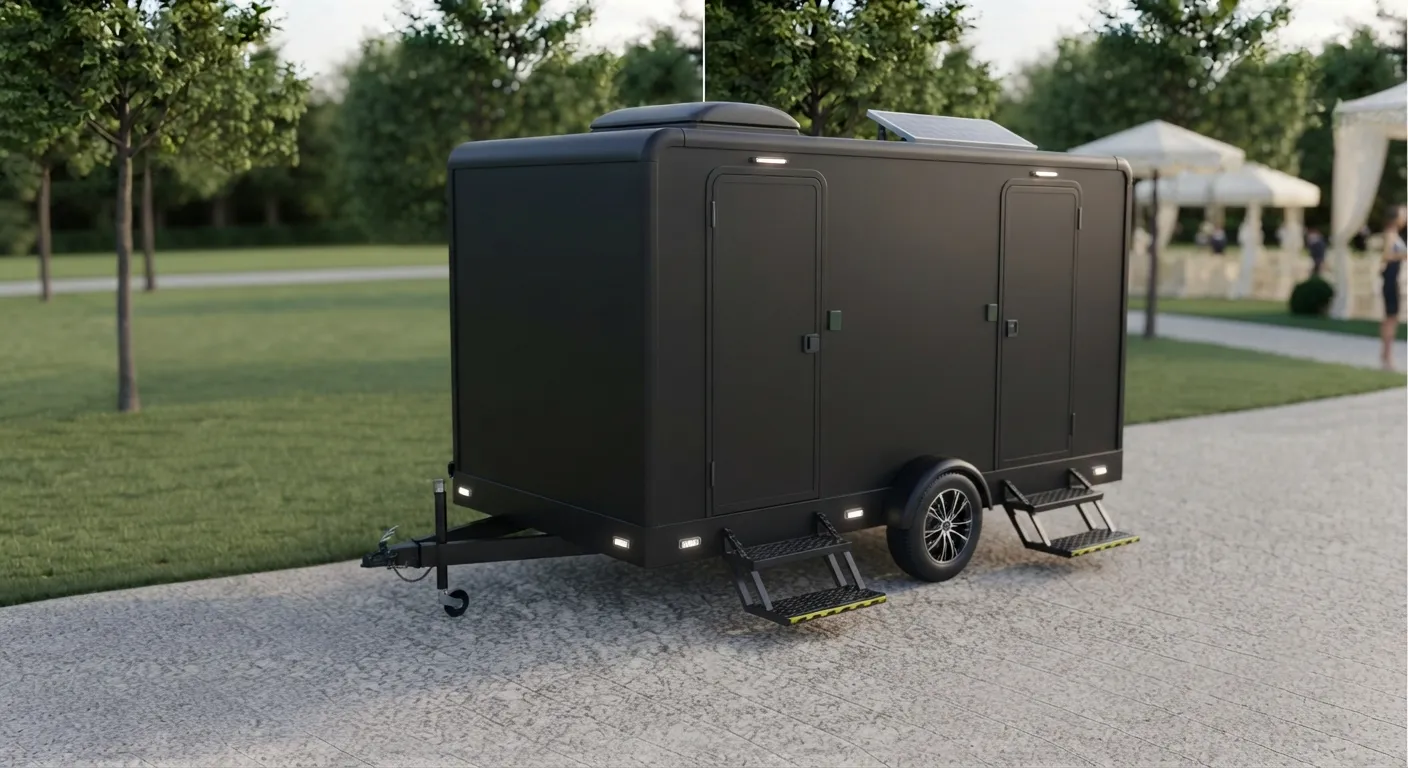
Yes. OSHA 1928.110 requires handwashing along with toilets and potable water for hand-labor crews, and a separate handwashing station rental or portable sink rental covers that requirement cleanly. Hand sanitizer alone does not satisfy 29 CFR 1910.141(d)(2), which calls for soap and towels or a hand-drying device where that general industry standard applies. Farm work involving fertilizer handling, pesticide mixing or livestock contact makes handwashing more than a box to check; crews need real soap and water before they eat lunch or head home. A standard unit here holds a 60 to 70 gallon tank, which covers a crew through a full week under the baseline service interval set by ANSI/PSAI Z4.3, one visit per week for up to 10 users over a 40 hour week. Larger crews or longer days mean more frequent service, and we schedule around your harvest window instead of a fixed weekly slot. If your operation packs produce or handles milk, a hand sanitizer station rental can supplement but should not replace the sink. Some growers near Rogers pair a restroom with a temporary fence rental section to keep units away from grazing animals or equipment lanes, and that combination works well on ground shared with livestock.
Where Should Units Sit on a Working Farm?
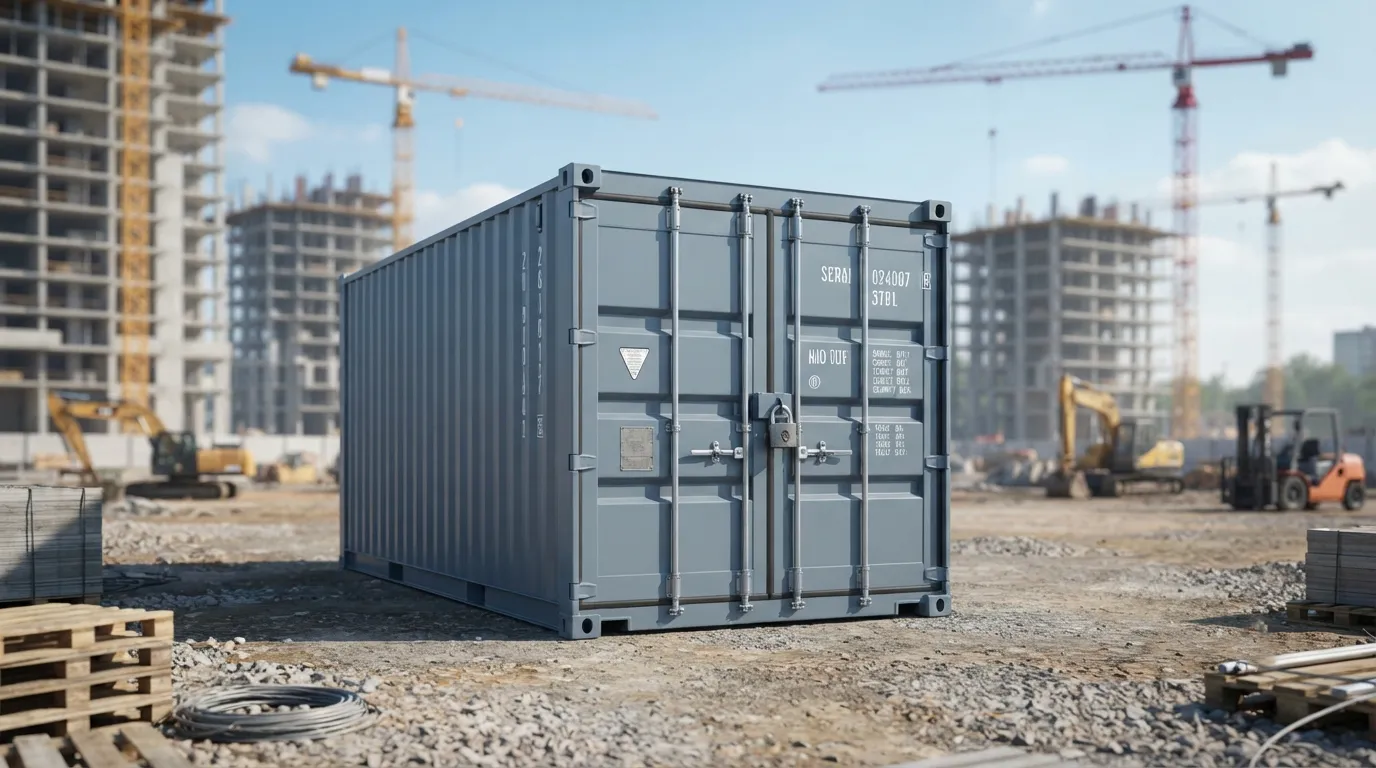
Placement drives everything on uneven ground. A standard unit measures about 44 by 48 inches on its footprint, and it needs stable, level ground, since ADA Standards section 302.1 calls for surfaces that are stable, firm and slip resistant even outside a formal accessible unit. Farm access roads often mean our truck can't reach every field edge, so we place units at the nearest solid pull-off and post the walking distance for crews. Delivery trucks need roughly 60 feet of straight clearance to set a unit down safely, which matters on narrow farm lanes lined with fencing or equipment. If your fields sit closer to Centerton, 10.8 miles west of Rogers, or Bella Vista, 16.5 miles northwest, driving distance affects how many stops we can make in one route, so book placement early during peak planting or harvest weeks. Rotating crews between parcels works best with two smaller placements rather than one central unit crews have to walk far to reach. For events tied to the farm, like a fall pumpkin patch or a wedding on working land, the event restroom rental and wedding restroom rental pages cover guest-facing units, while farm and agricultural restrooms stays focused on crew sanitation. Storage for tools or seasonal equipment often runs alongside restroom service too, and a storage container rental can sit on the same delivery visit.
| unit | duration | typical price |
|---|---|---|
| standard | day | $150 |
| standard | week | $200 |
| standard | month | $200 |
Monthly rental fits most growing seasons better than daily billing, and the monthly porta potty rental page breaks down how that works for longer contracts. If you're only staffing up for a short harvest push, porta potty rental per day covers shorter jobs instead.
Frequently asked questions
Do I need a permit for a portable toilet on farmland?
Placement rules can differ for agricultural land versus a construction lot, and this needs confirming with the city before delivery. We recommend calling ahead rather than assuming farm ground is exempt. The porta potty permit requirements page has more on how to check.
How often does the unit get serviced during harvest?
Baseline service under ANSI/PSAI Z4.3 is once a week for up to 10 users over a 40 hour week. Larger crews or extended harvest hours mean we increase frequency. See how often are porta potties cleaned for the full schedule logic.
Can one unit cover two adjacent fields?
Only if the quarter mile walk under OSHA 1928.110 holds for both fields from one placement point. If crews split across parcels more than that distance apart, plan on a second unit.
What if my crew works well past dark?
Lighting matters for safety around any unit at night. OSHA 1926.56(a) sets minimum illumination for work areas, and we can discuss placement near existing yard lighting during your quote call.
Do I need an ADA unit for farm labor?
ADA Standards 213.2 requires at least one accessible unit when several are clustered together. A single standard unit for a small crew may not trigger that threshold; ask us when you request a quote and we'll confirm based on your unit count.
Next step
Get a delivery date
Tell us the address, the dates and the headcount. We size the order and confirm the route.